


Exploring the hidden truths behind the psychology of gambling
The Allure of Gambling
Gambling captivates millions with its promise of thrill and potential riches. The excitement of placing a bet and the adrenaline rush from a near win can create a compelling draw for many individuals. This allure is not just about the financial stakes; it also taps into deep-seated psychological factors such as the desire for risk, competition, and instant gratification. For those looking for excitement, finding reliable casinos online can enhance this experience even further.
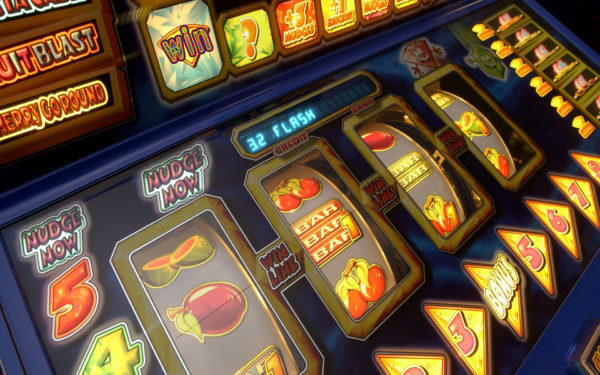
Moreover, the environment of gambling venues, whether physical or online, is designed to enhance this allure. Bright lights, engaging sounds, and the social aspect of gambling all contribute to an immersive experience. This sensory overload can lead individuals to lose track of time and money, highlighting the powerful influence of marketing and psychology in gambling.
Understanding Gambling Addiction
Gambling addiction is a complex psychological condition that affects individuals across various demographics. It often stems from an underlying need to escape from everyday stressors or emotional pain. For many, gambling serves as a coping mechanism, providing temporary relief from anxiety, depression, or other mental health challenges.
As the addiction develops, individuals may find themselves increasingly unable to control their gambling behavior. This can lead to significant financial, emotional, and relational consequences, creating a vicious cycle that is difficult to break. Awareness of these patterns is essential for those affected, as understanding the psychology behind gambling can be the first step toward recovery.
The Role of Cognitive Biases
Cognitive biases play a significant role in the way individuals perceive gambling outcomes. Concepts such as the illusion of control lead players to believe they can influence results, particularly in games of chance. This false belief often encourages continued gambling, as players feel a sense of agency in their losses and wins.
Another common bias is the gambler’s fallacy, where individuals believe that past events will influence future outcomes. For example, a player might think that a slot machine is “due” for a payout after several spins without a win. These misconceptions can lead to irrational decision-making and increased gambling behavior, compounding the risk of addiction.
The Emotional Rollercoaster of Gambling
The emotional experience associated with gambling is highly variable, swinging from euphoria to despair. Winning can lead to feelings of invincibility, fostering a desire to gamble more, while losing can trigger shame and regret. This emotional rollercoaster creates a powerful feedback loop that reinforces addictive behaviors.
Additionally, the highs of winning can lead to increased risk-taking. Players may chase losses, believing that they can recover their money through continued gambling. Understanding these emotional triggers is crucial for both gamblers and those supporting them, as it highlights the need for emotional regulation and healthier coping strategies.

Support Resources and Awareness
Increasing awareness of gambling addiction is vital for fostering a supportive environment for those affected. Numerous organizations provide resources, counseling, and support groups to help individuals understand their gambling behaviors and work towards recovery. These resources can be life-changing, offering hope and practical strategies for managing addiction.
Creating a culture that encourages open discussions about gambling and its psychological impacts can reduce stigma and promote recovery. Websites and support groups dedicated to gambling awareness play a significant role in this effort, serving as safe spaces for individuals to share their experiences and seek help.