


Debunking common myths about gambling strategies and their effectiveness
Understanding Gambling Strategies
Gambling strategies have long captivated players seeking an edge in games of chance. Many believe that following specific systems can significantly improve their chances of winning. However, it’s essential to recognize that while strategies may enhance the gaming experience, they do not alter the fundamental odds of the game. Most casino games are designed with a house edge, meaning the odds are always slightly in favor of the house regardless of the strategies employed. Many players enjoy exploring casino online slots in hopes of achieving various outcomes.
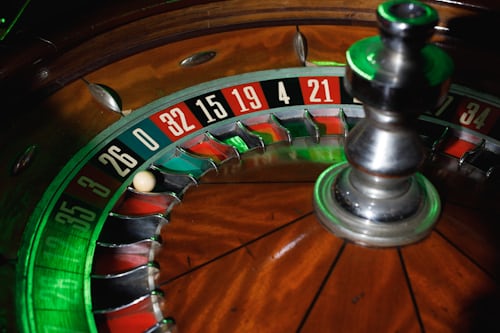
Additionally, the psychological allure of strategies can lead to misconceptions about control over outcomes. Players often feel that applying certain techniques can guarantee success, which is far from reality. In truth, understanding the game mechanics and the inherent randomness is crucial for players to make informed decisions, rather than relying solely on supposed strategies.
Myth of Guaranteed Wins
One of the most pervasive myths surrounding gambling strategies is the belief that they can guarantee wins. Many players invest time and money into systems that promise success, such as the Martingale or Fibonacci systems in betting. While these methods can provide a structured approach to betting, they do not account for the unpredictable nature of gambling outcomes. No strategy can overcome the randomness that defines most games.
This myth can lead to detrimental behaviors, where players chase losses and engage in irresponsible gambling practices. It’s crucial to understand that all bets carry risk, and the notion of guaranteed wins can foster unrealistic expectations that ultimately result in disappointment and financial loss.
The Fallacy of Past Outcomes
Another common belief is that past outcomes can influence future results, often referred to as the “gambler’s fallacy.” For instance, players may think that after a series of losses, a win is due, or that a particular number is “hot” in roulette. Such thinking ignores the independent nature of each game round, as previous outcomes have no bearing on future events.
This fallacy can lead to poor decision-making and increased betting in the hope of recouping losses. Understanding that each spin of the wheel or flip of a card is independent helps gamblers maintain a more realistic perspective on their odds and helps them make better choices in their gaming experience.
Misconceptions About Skill-Based Games
Skill-based games, such as poker or blackjack, are often perceived as different from pure chance games, leading to the belief that players can always control the outcome. While skill plays a significant role in these games, factors such as luck still heavily influence the results. Even the best poker players face the unpredictability of card distribution, making it clear that no amount of skill can ensure consistent wins.
This misconception can lead to overconfidence in one’s abilities, causing players to take larger risks than they should. It’s vital to balance skill with an awareness of the inherent uncertainties in any game, as recognizing this can lead to more responsible and enjoyable gambling experiences.

Conclusion: The Importance of Awareness
Understanding the myths surrounding gambling strategies is crucial for both new and experienced players. Awareness of these misconceptions allows individuals to approach gambling with a realistic mindset, minimizing the risk of negative outcomes. Instead of relying on dubious strategies, players should focus on enjoying the experience and practicing responsible gaming habits.
It’s essential to remember that gambling should be viewed as entertainment rather than a way to make money. By debunking these common myths, players can engage in gambling more mindfully, ensuring that they derive pleasure from the games while remaining aware of their limitations and the realities of chance.