


The psychology behind risk-taking in gambling exploring the inner workings of the mind
The Nature of Risk-Taking
Risk-taking is an inherent part of human behavior, intricately linked to our biological and psychological makeup. In gambling, this behavior manifests as individuals choose to engage in activities with uncertain outcomes. The thrill of potentially winning large sums can drive players to take risks, often outweighing the fear of loss. This psychological conflict creates a compelling dynamic that influences decision-making processes. For instance, many players enjoy exploring online pokies for the fun and excitement they offer, even when the odds aren’t favorable.
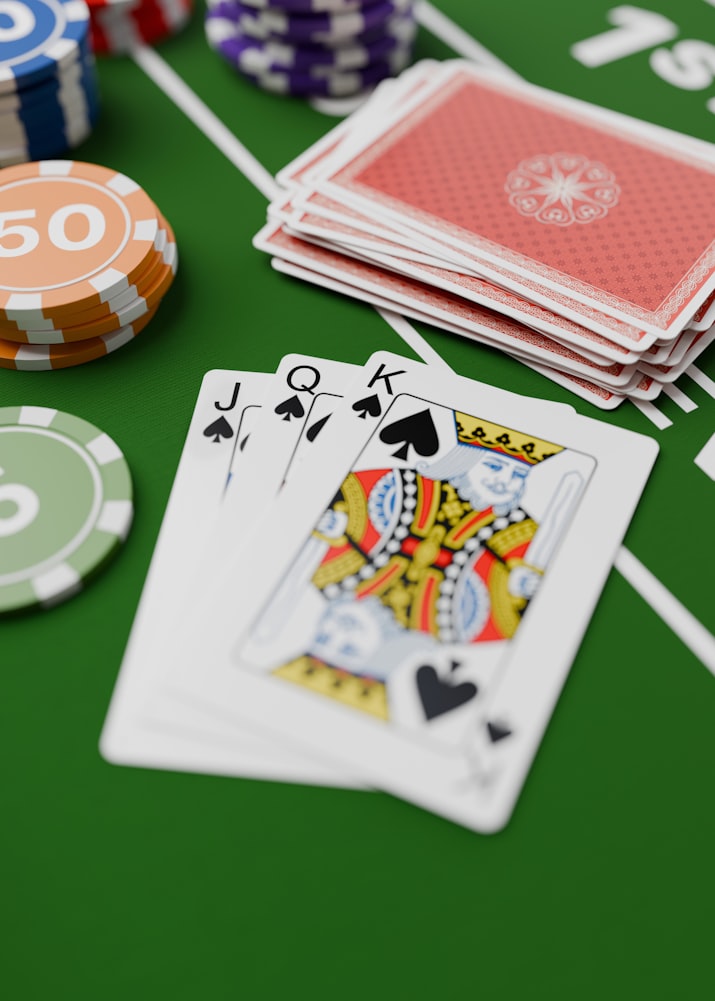
The desire for excitement and the adrenaline rush associated with gambling can be attributed to our brain’s reward system. Neurotransmitters like dopamine play a crucial role in this experience, reinforcing behaviors that lead to pleasure. Consequently, the anticipation of a win can lead to repeated gambling, despite the odds being stacked against the player.
The Role of Chance and Skill
In the realm of gambling, the balance between chance and skill significantly affects how individuals approach risk. Games that rely heavily on chance, such as slot machines, often attract players seeking instant gratification. Conversely, games like poker require a level of skill and strategy, which can appeal to those who enjoy mastering complexities. This interplay shapes individual perceptions of control over outcomes, impacting their willingness to take risks. Players often convince themselves they possess skills that can tilt the odds in their favor, leading to a phenomenon known as the “illusion of control.” This belief can encourage further participation in games perceived as skillful, while neglecting the fundamental role of luck involved in all gambling activities.
Psychological Factors Influencing Gambling Behavior
Various psychological factors influence why people engage in gambling and how they assess risk. Cognitive biases, such as the availability heuristic, lead individuals to overestimate their likelihood of winning based on memorable experiences. This can skew their judgment, making them more likely to take risks in hopes of replicating past successes. Additionally, emotional factors such as excitement, boredom, or even stress can drive individuals to gamble. The connection between gambling and mood regulation is profound, often leading people to seek solace in games when experiencing negative emotions. Understanding these psychological triggers can provide insight into why individuals take risks in gambling contexts.
The Impact of Social and Environmental Factors
Social dynamics play a significant role in gambling behavior, as peer influence can encourage risk-taking. Environments like casinos are designed to foster excitement and competition, further enticing individuals to engage in risky behavior. The social aspect of gambling, whether in-person or online, amplifies the desire to take risks as players seek validation from their peers. Moreover, societal attitudes toward gambling vary widely, influencing individual perceptions of acceptable risk. In cultures where gambling is celebrated, individuals may feel more empowered to take risks, whereas in more conservative societies, the fear of judgment can deter such behaviors. Understanding the environmental context is crucial in comprehending the nuances of risk-taking in gambling.

Exploring Responsible Gambling and Resources
Understanding the psychology behind risk-taking in gambling is essential for promoting responsible gambling practices. Awareness of cognitive biases and emotional triggers can help individuals recognize when they might be engaging in risky behavior. Many resources are available for players to educate themselves about the potential dangers of gambling and develop healthier habits.
Websites dedicated to responsible gambling provide valuable information and tools to help individuals assess their gambling behaviors. By fostering a better understanding of the psychological aspects at play, individuals can make informed choices, promoting a balanced and enjoyable gambling experience.